Winter is hard on your home. Snow piles up on your roof. Ice forms on your walkway. And underground, your sewer line faces serious stress. Many homeowners don’t think about their sewer line until something goes wrong. By then, the damage can be expensive and messy.
This guide helps you spot trouble early. We’ll show you five clear signs that your main sewer line needs attention before winter gets worse.
Why Winter is Tough on Your Sewer Line
Before we dive into the warning signs, let’s understand why winter creates problems. Cold weather affects your sewer system in several ways:
- Frozen pipes contract and become brittle
- Water inside pipes freezes, blocking flow
- Tree roots that have invaded your line grow less actively but still cause problems
- Heavy snow and ice put pressure on the ground
- The temperature difference between above and below ground creates strain
Your main sewer line carries all wastewater from your home to the city sewer system or septic tank. When this line fails, everything backs up. That means water and waste can’t leave your home. Nobody wants to deal with that situation in the middle of winter. The good news? You can spot problems early. Let’s look at the five biggest warning signs.
Sign 1: Slow Drains Throughout Your Home
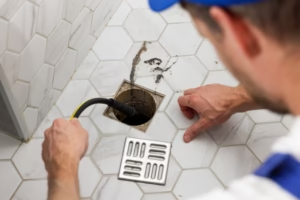
A slow drain in your bathroom sink might just be a minor clog. A slow drain everywhere is something different. This type of system-wide issue often calls for professional drain cleaning in Allentown, PA, to clear the main line and restore proper flow throughout your home.
If your kitchen sink drains slowly, your shower drains slowly, and the toilet takes forever to flush, you probably have a main sewer line problem. This happens because wastewater backs up from the main line and slows down the entire system.
What you might notice:
- Water takes several seconds to drain from sinks
- The tub fills with water when you use the shower
- Toilets don’t flush completely
- Multiple drains slow down at the same time
- The problem started after the cold weather arrived
This is different from a clogged drain that only affects one fixture. A main sewer line issue shows up everywhere.
Try this simple test. Run water from multiple sinks at the same time. Do they all drain slowly? Turn on the shower while running the kitchen sink. Watch what happens. If everything moves at a snail’s pace, your main line might be the culprit. Winter makes this worse because frozen pipes block water flow. The cold also makes the problem spread faster through your system.
Sign 2: Unusual Sounds from Your Drains
Your plumbing shouldn’t make noise. If it does, something is wrong.
Listen for these sounds:
- Gurgling noises from your toilet
- Bubbling sounds from drains
- Air sounds from your pipes
- Strange noises when water drains
These sounds happen because air gets trapped in your pipes. When wastewater can’t flow properly, it blocks air vents. The trapped air has to go somewhere. It comes up through your drains and makes noise.
Gurgling usually happens when you flush or drain water nearby. You might hear it most in the bathroom since that’s where the drain gets the most use.
This is an early warning sign. Many homeowners ignore the sounds. They think it’s normal. It’s not. Your plumbing should be quiet.
Pay attention to when the sounds happen. Do they occur after you run a lot of water? Does it happen every time someone showers? Write down what you notice. This information helps a plumber find the problem faster.
In winter, frozen sections of your pipe can create different sounds. You might hear crackling or cracking noises. This means the ice inside is expanding and putting pressure on the pipe.
Sign 3: Bad Smells Coming from Drains
A foul smell near your drains is never normal. Winter cold can actually make this smell worse.
You might notice:
- Rotten egg smell from the kitchen sink
- Stinky odor coming from bathroom drains
- Sewer smell in your yard
- Bad smells that seem to come from nowhere
These smells happen because wastewater can’t escape your system. It builds up and creates gases. These gases have a terrible smell. They come out through your drains.
Outdoors, you might smell something nasty near the area where your main sewer line runs. This is a red flag. Frozen ground can actually trap smells, so winter might make the odor stronger or more noticeable.
Check your drains regularly. If the smell is strong or comes from multiple places, call a plumber soon. The longer the problem exists, the worse it gets.
A small amount of smell after you clean with harsh chemicals is normal. That’s not what we’re talking about. We mean a constant, bad smell that doesn’t go away.
Sign 4: Water Pooling in Your Yard or Basement
Puddles or wet spots in your yard during winter are suspicious. Frozen ground usually stops water from pooling. If you see water anyway, your sewer line might be leaking.
Look for:
- Puddles in your yard during winter
- Soft spots in the grass or soil
- Extra green patches of grass in winter
- Water seeping into your basement walls
- Dampness in your basement that wasn’t there before
When a sewer line cracks or breaks, wastewater leaks out. This water has to go somewhere. It pools above the break. In winter, it might not freeze right away. It sits and creates a soft, muddy area. Walk around your property after heavy snow or rain. Look for areas where snow melts first. This shows where warm water is leaking from your line.
Basement water during winter is especially concerning. Cracks in your foundation might let sewer water seep in. This water smells bad and brings bacteria into your home. If you find pooling water, don’t wait. Call a plumber for a sewer inspection. The longer you wait, the worse the leak becomes.
Sign 5: Sewage Backing Up into Your Home
This is the most obvious sign. It’s also the most serious. Sewage backup means wastewater comes back up through your drains.
You might see it in:
- Toilet overflowing with dark water
- Water coming out of drains when you use fixtures
- Waste on your bathroom floor
- Backed up shower drains
This is a health hazard. Sewage contains harmful bacteria and viruses. If you see this happening, stop using water immediately. Don’t run more water down the drains. Don’t flush the toilet. Call a professional plumber right away.
In winter, this can happen very fast. A fully frozen pipe can cause backup within hours of the blockage forming. Don’t try to fix this yourself. You need professional equipment and training to handle sewage. The health risks are real.
What to Do if You Notice These Signs
Call a professional plumber from Apex Drain. Don’t delay. Winter emergencies are harder to handle than summer problems. Plumbers get busy fast. The sooner you call, the faster they can visit. If the problem escalates, Apex Drain offers emergency plumbing in Reading and the surrounding areas to respond quickly before winter damage gets worse.
Get a sewer line inspection. A plumber can send a camera down your line to see what’s wrong. This video inspection shows cracks, breaks, roots, or blockages. You’ll know exactly what’s happening.
Ask about your options. Depending on the problem, you might need snaking, repairs, or replacement. The plumber explains each option and the cost.
Consider preventive maintenance. If your line is old, think about preventive work. It’s cheaper to maintain a line than to replace it after it fails.
Winter Sewer Line Prevention Tips
While you wait for the plumber, try these prevention steps:
- Don’t pour grease down drains (it hardens in cold weather)
- Use hot water when you do use drains
- Avoid flushing anything but toilet paper
- Keep gutters clean so water doesn’t pool near your foundation
- Have your line inspected before winter if it’s old
- Insulate pipes in cold areas if exposed
- Let water drip from faucets on very cold nights
These steps won’t fix a broken line. But they reduce strain on your system while you arrange repairs.
When to Call for Emergency Service
Some situations need immediate attention:
- Sewage backing up into your home
- Multiple toilets not flushing
- Strong sewer smell throughout your house
- Water pooling inside or around your foundation
- Sounds of water running when no water is running
The Cost of Waiting
Ignoring sewer line problems is expensive. A small issue becomes a big one fast. Here’s what can happen:
- Backup affects more and more of your home
- Wastewater damages your foundation
- Mold grows from constant moisture
- Bacteria spreads through your basement
- Water line damage spreads to other utilities
- Emergency repair costs double or triple normal costs
A sewer line inspection costs a few hundred dollars. A repair might cost a thousand or more. Complete replacement can cost several thousand. But catching the problem early keeps you on the cheaper end of that scale.
What Your Sewer Line Is Telling You This Winter
Winter stress on your sewer line is real. But you don’t have to be caught off guard. By knowing these five warning signs, you can spot trouble early. Slow drains, strange sounds, bad smells, yard water, and sewage backup are all messages from your plumbing system. They’re telling you something is wrong.
Listen to these messages. Call a professional plumber to get an inspection and fix the problem before it gets worse. Your home, your health, and your wallet will thank you. If you notice any of these warning signs, contact Apex Drain today to schedule a professional sewer inspection and address the issue before it turns into costly damage.